Posts tonen met het label suicide. Alle posts tonen

zondag 5 februari 2017

Today's Review: To Stay Alive - A Method


Bent u een kunstenaar en ziet u het allemaal niet meer zitten? Meent u dat de harde maatschappij uw creatief genie miskent en staat u op het punt er de brui aan te geven? Hou nog even vol, want uit zulke wanhoopsgevoelens komt de fraaiste kunst tot stand. Aldus menen Michel Houellebecq en Iggy Pop, die dit station van radeloosheid al gepasseerd zijn. Met de sympathiek optimistische semidocumentaire To Stay Alive - A Method steken zij hun collega-kunstenaars een hart onder de riem. Dat lijden, zo stelt het duo, is een essentieel onderdeel van de kunsten en drijft de vasthoudende artiest juist naar nieuwe hoogtes. "Lijden is goed, lijden is nuttig."


Het is een conclusie die schrijver Houellebecq al in 1991 trok in zijn essay Rester Vivant - Méthode. Ten tijde van schrijven werd hij evenzeer geplaagd door levensmoeheid als de beoogde lezersdoelgroep: de onbegrepen kunstenaars. Na het felle antimaatschappelijke stuk, waarin hij vooral ageerde op de zere wonden van de onbegripvolle samenleving te blijven drukken, brak Houellebecq alsnog door. Tegenwoordig wordt hij gezien als een creatieve duizendpoot, werkzaam als filosofisch auteur, dichter, toneelschrijver en cineast en populair onder een opvallend groot publiek. Dat was hij allemaal niet geweest als hij er destijds een einde aan had gemaakt. En als het hem lukte, waarom zou hetzelfde dan niet mogelijk zijn voor andere kunstenaars?

Muzieklegende Iggy Pop las diens essay en trok dezelfde conclusie, omdat hij in Houellebecqs relaas ook zijn eigen levenspad herkende. Ook Pop, nu gezien als de vader van de punkrock, dreigde er in een grijs verleden ooit mee te stoppen, maar bleef volharden te midden van alle waanzin, overtuigd van zijn muzikaal gelijk. Eveneens met groot succes. Pop en Houellebecq bleken geestverwanten en hun wederzijdse bewondering leidde al eerder tot een toenadering, toen Pop een aantal nummers schreef voor een documentaire over de schrijver. Die film werd geregisseerd door de Nederlander Erik Lieshout. Met diens pseudodocumentaire To Stay Alive - A Method is de cirkel nu rond en brengt Lieshout schrijver en zanger nog dichter bij elkaar. 'Pseudo', want de film is zowel een toneelstuk als een op feiten gebaseerd verhaal. Het is echter hoofdzakelijk een kunstzinnig pamflet.
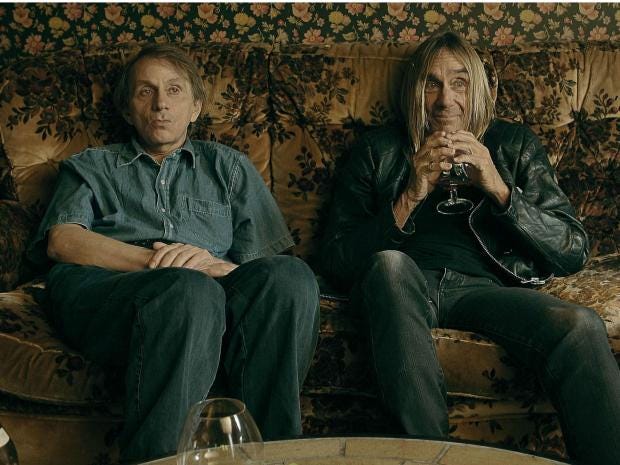


Het gespeelde element van To Stay Alive - A Method bestaat uit de ontmoeting tussen de twee grootheden, waarin Pop zichzelf speelt maar Houellebecq de rol van de fictieve kunstenaar Vincent op zich neemt. Een schijnbaar mislukte artiest die in eenzaamheid aan zijn meesterstuk werkt in het huis van zijn grootouders en met een bezoek van Pop, die Houellebecqs boodschap ter harte neemt, wordt aangespoord om vooral door te zetten. Tussendoor leest Pop met zichtbaar enthousiasme voor uit het werk van de schrijver en richt hij zich bevlogen direct tot het publiek. Degenen die menen dat Pop en Houellebecq een uitzondering op de regel vormen in de annalen van de kunsten en het heus nog niet zo eenvoudig is als het essay verkondigde, komen bedrogen uit, want Lieshout heeft nog meer noten op zijn zang. Hij interviewt drie volslagen onbekende kunstenaars die een soortgelijke achtergrond van lijden kenden, maar uit het dal van de gekte zijn opgekrabbeld. Dichters met een psychiatrische achtergrond die niet opgaven en ondanks alles er bovenop kwamen, en daardoor hun beste werk naar boven brachten. Door de portrettering van dit drietal plaatst Lieshout de twee grootheden op gelijke voet met hun talloze onbekende collega's die net als zijzelf worstelden, of nog steeds worstelen, met de minachting van de maatschappij maar zich daardoor niet lieten tegenhouden. Daarmee illustreert hij uitstekend Houellebecqs punt. Hoewel bekende namen blijken de twee sterren immers eveneens verlegen, alledaagse mensen en dat maakt hen net zo aandoenlijk als hun roemloze tegenhangers.

Wat niet wegneemt dat ze wel degelijk charisma kennen. Zeker Pop weet onze aandacht er volledig bij te houden als hij het essay citeert, want zijn van levenservaring doorgroefde stem werkt betoverend. Daarmee helpt hij de 'tegeltjeswijsheid' die To Stay Alive - A Method soms dreigt te typeren op afstand te houden. Want voor elke fraaie uitspraak als "to learn to become a poet is to unlearn how to live" volgt er een fletser geval als "het universum is als een discotheek". Pop komt er wel mee weg. Toch is het jammer dat we vooral van zijn verleden als lijdend voorwerp amper achtergrond meekrijgen. Hoe zat het dan voorheen met diens creatieve smart? Voor een film van amper zeventig minuten maakt Lieshout er helaas weinig woorden aan vuil. Voorkennis lijkt vereist. Maar het draait voor Lieshout bovenal om Houellebecqs boodschap, en die wordt vanuit voldoende standpunten belicht, zonder enig cynisme. Een kunstenaar in de put heeft daar ongetwijfeld voldoende aan en kan na het zien van To Stay Alive - A Method met hernieuwde hoop aan de slag.

zaterdag 28 mei 2016

Today's Review: The Sea of Trees


Another review belatedly posted here:

The Sea of Trees - recensie

If you thought Gus van Sant would be more suited to make an interesting picture about the phenomenon of the Japanese suicide forest Aokigahara than the creators of the recent bland horror movie The Forest would, you thought wrong. Say what you will about The Forest, it had no other pretentions than being an average spooky flick (except maybe for the 'average' part, but then they should have tried harder). The Sea of Trees, not so. It's a bold potpourri of supernatural thrills, Japanese versus Western belief systems, tearjerking drama and philosophical reflections on the nature of suicide. At least, it likes to be. It sadly fails in every respect, making this a prime candidate for the title of 'Worst Gus van Sant Movie'.

The ingredients for a terrific movie are all there. There's a haunting mystery (a forest where people voluntarily come to kill themselves), a shot at emotionally compelling drama (a husband and wife not getting along but coming together over the latter's impending demise), some damn fine actors (McConaughey, Watanabe, Watts, need I say more?) and lots of wonderful cinematography. The movie only succeeds in offering that last bit to our satisfaction. Whether it's the director or the screenwriter who couldn't be bothered with stringing it all together seamlessly into an intriguing whole is hard to tell. It's certainly not the actors, as all of them appear bored or distracted. In Watanabe's case, matters are made worse due to him apparently having been hired as Hollywood's token Japanese man for this occasion, making him rant on about Japanese superstition ad nauseam. We simply can't learn to care about either him or his American companion, who set out to kill himself but had a change of heart in his desire to help his new local friend get home alive. It's seemingly enough of a motivation after the devastating death of his wife to make him find new faith in life and forget all about his suicidal plans, but not for us to go along with his new lust for living.


We simply cannot care about it all, which also stems from Van Sant's odd choice of going nigh 'full Hollywood' in his dramatic scenes set in the States. Usually he opts for what many consider a more European style, but in this scenario, studio tearjerking methods got his preference. And so we have to sit through dull and ultimately predictable flashbacks explaining the protagonist's desire to end his life, even though, illogically, he and his wife never really got along anyway. The scenes in the forest, meanwhile, offer little more captivating moments or surprising twists. Admirably shot and lit as they may be (though much of it not actually filmed in Japan, but rather Stateside) and accompanied for the most part by decently melancholy music, we still grow restless over the lack of empathy triggered at our side of things. It's not so bad that it makes us want to kill ourselves, but it's still frighteningly frustrating to come to realize that a director who often has something worthwhile to share with his audience, really has absolutely nothing noteworthy to say about a fascinating topic of conversation as the so-called Sea of Trees.


maandag 10 februari 2014

Today's Review: 47 Ronin


47 Ronin: **/*****, or 4/10

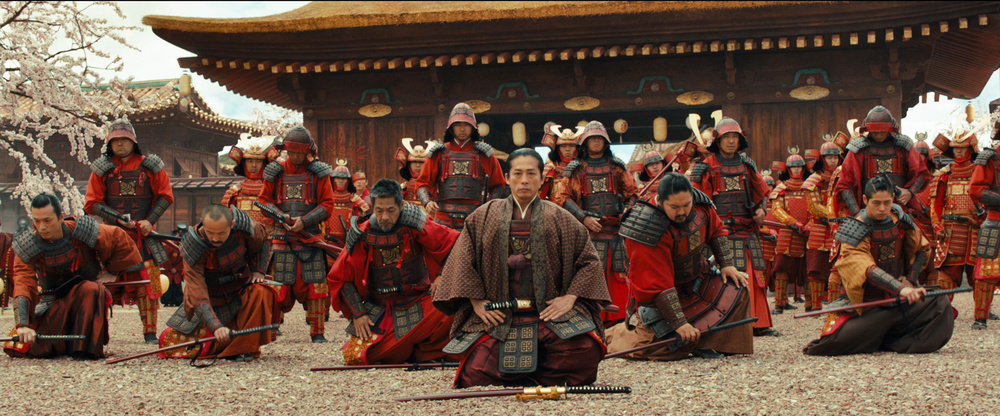
'To understand the story of the 47 ronin is to understand Japan' this movie states as its introduction, attempting to place what's to come in a historical context for audiences unfamiliar with ancient, feudal Japan. The story of these 47 samurai, who witnessed the death of their master which caused them to become shamed ronin and afterwards successfully plotted and executed their revenge to regain their honour and die a noble suicide, is one of Japan's most popular and enduring legends. Such a serious tale of death and dishonour is not the usual stuff of grandiose Hollywood productions and therefore this original saga was embellished with plenty of action, romance and expensive effects to make it more worthy of being turned into a blockbuster movie. However, the heart of the story was left unchanged (something Japanese traditionalists at least will appreciate) and as a result, 47 Ronin proves a rather uncomfortable and uneasy mix of Japanese and western storytelling.

47 Ronin is told from the perspective of Kai, a mysterious halfbreed orphan who is found by Lord Asano of Ako province. Despite the advice of his samurai who consider him a demon child, Asano takes him in because he sees 'something' in the boy. Raised alongside Asano's daughter Mika the orphan grows up to be Keanu Reeves, and they develop a typical secret desire for one another (credibility of which is hindered by the fact that Keanu looks and is much older than the actress playing his love interest, though they are meant to be about the same age). Kai is of course an all too obvious attempt to make it easier for western audiences to identify with the strange and unknown Japanese way of life, but as is usually the result of such additions, Kai gets too important for the story's good, as if the movie's 'natives' are unable to carry out their bold plan without a white man's help. Identification is ever a challenge for the audience where the stoic Reeves is concerned, and 47 Ronin proves no different, though his emotionless expression at least suits the subject matter. However, Asano was right, as Kai is no ordinary boy but is indeed connected with the supernatural. Which is just as well, as it turns out 18th Century Japan, unlike the original legend told us, was surprisingly infested with the occult, monsters and wraiths. Did I mention 47 Ronin is also a fantasy movie? Well, it is.


Asano suffers a rivalry with the ruthless Lord Kira (who ironically is played by Tadanobu Asano). Hellbent on taking over Ako (and as is typical, everything else too in the long run), Kira employs the talents of a shapeshifting witch (Pacific Rim's Rinko Kikuchi) to stir things up. Kikuchi is evidently enjoying the role of seductive sorceress, but like her boss plays evil only for evil's sake, which makes for a rather poorly motivated, dull duo of bad guys. Their schemes succeed as Asano is tricked into openly attempting to kill Kira in the presence of their shogun, for which he is sentenced to seppuku. Romanticising this act of suicide, Asano's death is overly poetic and bloodless, despite the fact he's disemboweling himself and getting his head struck off. After his death, his samurai are declared dishonoured ronin and, to turn insult into agony, Mika is forced to wed Lord Kira. This will not do, after which Asano's captain Oishi (Hiroyuki Sanada, grave and cold as often) plots revenge. And even though he never liked him, he asks Kai to join the quest. Good thing too, as the revelation of his upbringing by forest ghosts sure aids in defeating their monstrous and demonic opponents. Most of which were already defeated in terms of convincing the audience due to the poor visual effects job done on them.


Amidst all the beheadings and dismemberment that follows, it's evident that a different kind of cutting called editing also did not work in 47 Ronin's favour. At times it's obvious that material was discarded, making for an occasionally jumbled flow of the movie's plot, especially in the case of the scenes on the 'Dutch Island', where Kai is sold into a brief life of slavery and gladiatorial servitude. An impressively tattooed pirate, heavily used in the film's marketing campaign, is seen only for a short moment, while the perceptive eye is able to spot a brief appearance by Yorick van Wageningen: aggressive changes in the post-production process reduced his part to the quickest of cameos. At least there is nothing wrong with the design of the movie, which does at times look sensational and exotic, even in 3D. Though little effective use is made of that technology, as the straightforward quest for vengeance is otherwise quite two-dimensional. Despite all the added fantasy spectacle, the story remains the tale of a group of angry knights seeking revenge for the death of their lord. Their sense of honour is all that matters, a point which the movie gets across, but is hard to be approved by everybody. Despite the addition of various grotesqueries and scenes of supernatural suspense to make the story more entertaining and acceptable for the non-Japanese, the general mood of the film is overly sombre and devoid of relatable humour. Not counting a particularly fat ronin who, as overweight people tend to do in Hollywood blockbusters, is supposed to introduce a bit of comedy to occasionally lighten the tone, but fails miserably.


The only understanding western audiences will take away with them from seeing 47 Ronin is that Hollywood and Japanese legend don't mix to everybody's satisfaction. We understand that Japanese notions of honour are obsessed with ritual suicide, choosing death over life even when the situation, from our point of view, would definitely dictate differently. As the movie is transformed into otherwise fairly standard fantasy fare, the conclusion of the legend is left unchanged: evil has been vanquished, the land made safe, but still the 47 ronin are ordered to die, as per the climax of the original story. No happy end by western standards here, as Keanu and his fellow warriors take their own life (gladly, even!), leaving their grieving loved ones behind, for such is their way of honour. At times it feels like 47 Ronin means to make suicide a popular trend by extolling its virtues. Western audiences can only stand amazed by what at times appears to be a genuine glorification of seppuku. In this regard, the Japanese can be glad Hollywood left the core of their legend untampered despite the addition of witches and monsters to make things more exciting, but a 'gaijin' audience is left estranged as their notions of what constitutes a satisfactory ending – even if it would have been the stuff of cliché – are shattered. To understand the story of the 47 ronin is to acknowledge the extreme clash of cultures between Japan and Hollywood in this matter: 47 Ronin makes that much painfully clear.


zaterdag 4 februari 2012

Soylent Green


Rating: ****/*****, or 8/10

Een boodschap voor ons allen, toen en nu

Als er één ding is dat de sciencefictionfilms uit de zeventiger jaren typeert, dan is het pessimisme. Onder invloed van de destijds heersende tijdsgeest, gekenmerkt door crises als de Vietnamoorlog, Watergate en de oliecrisis, liet het genre weten er een weinig positieve opvatting over de toekomst van de mensheid en onze planeet op na te houden. Sciencefiction was in dit decennium, tot de komst van Star Wars in 1977, vrijwel uitsluitend het domein van post-apocalyptische rampen en dystopische samenlevingen in de niet zo verre toekomst. Als de mens niet onderdrukt werd door intelligente apen of supercomputers, dan maakten we er zelf wel zo'n zootje van dat ons overleven een schier onmogelijke taak werd, door bijvoorbeeld atoomoorlogen of grootschalige milieuvervuiling. En ondanks de inspanningen van dappere protagonisten was het vechten tegen de bierkaai want een duister lot bleek doorgaans onafwendbaar.

Een sciencefictionfilm die helemaal in bovenstaand stramien past is Soylent Green uit 1973, geregisseerd door de bekwame Richard Fleischer (geen onbekende in het sciencefictiongenre, met films als 20000 Leagues Under the Sea (1954) en Fantastic Voyage (1966) op zijn naam). Van alle grauwe toekomstvisies die het genre ons destijds voorschotelde is Soylent Green ongetwijfeld het meest deprimerend. De film schetst ons een futloze, stervende wereld waarin het alleen maar bergafwaarts zal gaan met de menselijke beschaving die al getoond wordt in ernstig moreel verval te zijn geraakt. Hier is de grote boosdoener de uit de hand gelopen overbevolking, die zulke explosieve bevolkingsgroei heeft veroorzaakt dat de natuurlijke wereld het praktisch met de dood heeft moeten bekopen. Uiteindelijk zal dit de mensheid ook de das omdoen, want het milieu is totaal verpest – er heerst bijvoorbeeld een permanente hittegolf door het broeikaseffect – en het voedsel raakt op, waardoor de corrupte overheid steeds drastischer maatregelen moet nemen om de mensheid in leven te houden.
Tegen deze duistere achtergrond draait de film om een typisch detective-plot. In het New York van 2022 (waar alleen al 40 miljoen mensen wonen) ziet Agent Thorn (Charlton Heston) zich geconfronteerd met de dood van een vooraanstaand burger, en wordt vervolgens tegengewerkt door de autoriteiten als hij de puzzel rond de moord langzaamaan ontrafelt. Het slachtoffer bleek op de hoogte van gruwelijke feiten rondom de productie van het nieuwe voedsel 'Soylent Green' dat zeer in trek is bij de hongerige massa. Thorn volgt het spoor met behulp van zijn onderzoeker, de oude Sol (de legendarische Edward G. Robinson in zijn laatste, maar zeker niet zijn minste, rol) die een overblijfsel vormt van een tijd waarin het beter ging met de wereld en nu met lede ogen moet aanzien hoezeer de mensheid degenereert. Hij staat hiermee in schril contrast met Thorn, die te jong is om zich de luxe van vroeger te herinneren en niet beter weet: was deze failliete wereld echt ooit beter? Thorn gelooft het niet ondanks de ellenlange verhalen van zijn oudere vriend. Maar uiteindelijk moet ook Thorn toegeven dat de mens een nieuw dieptepunt heeft bereikt als zijn inspanningen hem naar de verschrikkelijke waarheid leiden, die ondanks haar voorspelbaarheid weinig inboet aan schok en impact.

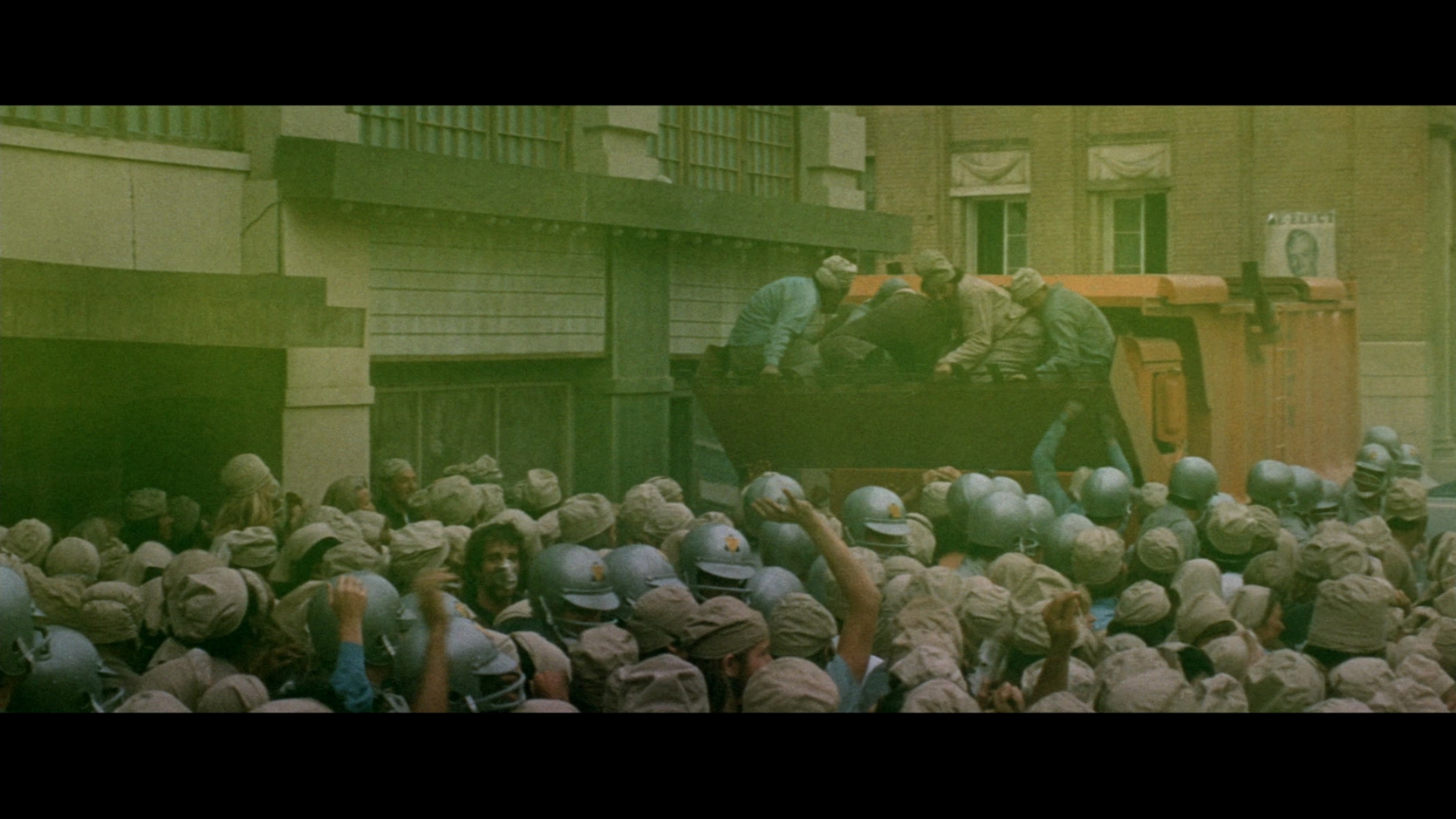
Hoewel Fleischer dankzij zijn eerdere films wel degelijk expertise heeft met hightech snufjes en peperdure effecten verkiest hij in het geval van Soylent Green, in tegenstelling tot de meeste sciencefictionfilms uit deze periode, een goedkopere en sobere maar daardoor des te intrigerender aanpak voor zijn weergave van een wereld waarin de mens zijn ziel heeft verloren en verworden is tot een hongerige grijze massa die roemloos het einde afwacht. Overal zijn mensen: de straten zijn ermee bezaaid, trappenhuizen liggen er vol mee alsof het de normaalste zaak van de wereld is. In een stad zo vol met mensen is een mensenleven weinig waard, en die opvatting maakt de film pijnlijk duidelijk. Bij relletjes worden mensen opgeschept als afval door enorme vuilniswagens en elke dag worden er tientallen moorden gepleegd waarvan de meeste niet behandeld worden door de politie wegens tijdgebrek. En vanuit feministisch perspectief: mooie vrouwen zijn letterlijk meubilair, vast onderdeel van een appartement, volslagen overgeleverd aan de grillen van de huiseigenaar. Zo ook Shirl (Leigh Taylor-Young), die verliefd wordt op Thorn tijdens zijn onderzoek naar haar vermoorde meester, maar kiest haar leven als prostituee te handhaven omdat het beter is dan op straat te creperen. En ondanks de morele bezwaren tegen deze vorm van slavernij kunnen we haar niet eens ongelijk geven.


Er komt geen einde aan de narigheid die Soylent Green ons voorschotelt, met als emotioneel hoogtepunt, of juist dieptepunt, Sols zelfmoord, waarin Robinson zijn laatste uitstekende acteerprestatie levert, achteraf een wrang gevoel in de wetenschap dat zijn daadwerkelijke dood slechts een paar weken later zou volgen. Als Sol de waarheid achter 'Soylent Green' heeft ontrafeld besluit hij dat hij zijn leven op wil geven en bezoekt hij de dichtstbijzijnde euthanasie-kliniek. Het is zowel ontroerend als somber om te zien dat mensen bij hun dood beter worden behandeld dan tijdens hun leven, als Sol getrakteerd wordt op een diashow die de verloren natuurlijke schoonheid voorschotelt onder begeleiding van klassieke muziek. Sols verdriet en schuld over de ondergang van de natuur wordt formidabel gespeeld door Robinson, die met deze scène een gevoelige snaar raakt bij het publiek en duidelijk de boodschap van Soylent Green weergeeft: de Aarde moet de toekomst die deze film afschildert absoluut bespaard blijven. De term 'boodschap' is nog zwak uitgedrukt, want de film presenteert haar opvattingen eerder als ultimatum: als we deze naargeestige toekomst willen vermijden moeten we nú handelen om het te voorkomen.

Hoewel Soylent Green al bijna veertig jaar oud is, staat de boodschap nog steeds als een paal boven water. De milieuwetgeving mag dan verbeterd zijn sinds de jaren zeventig, het milieu en de natuur worden nog steeds aan alle kanten bedreigd, hoewel het sleutelwoord niet meer 'overbevolking' vormt, maar eerder 'klimaatsverandering'. Deze laatste factor heeft echter al een dominante rol gespeeld in de apocalyptische films van de laatste jaren, terwijl overbevolking vrijwel van de kaart verdwenen is. Een remake van Soylent Green staat al in de planning, en deze zal ongetwijfeld verschillen van het origineel door meer actuele thema's aan te kaarten. Of dat een goed idee is valt nog te bezien, want eerdere remakes van klassieke sciencefictionfilms hadden zwaar te lijden onder dergelijke ingrepen (de herverfilming van The Day the Earth Stood Still vormt nog steeds een dieptepunt). Het originele Soylent Green staat echter nog als een huis, hoofdzakelijk dankzij haar pessimistische aanpak en Robinsons laatste optreden. Het lijkt beter ons te wenden tot de oorspronkelijke boodschap dan kostbare tijd en energie te verspillen aan een zinloze tweede poging de mens te overtuigen van de gruwelijke effecten van overbevolking.