Posts tonen met het label russia. Alle posts tonen
zondag 29 januari 2017
Today's Review: The Student
Het is fijn om te weten dat in de Russische cinema nog kritische geluiden klinken. Ook al duiken die hoofdzakelijk op in 's lands arthousefilms die het nationale publiek niet op grote schaal zullen bereiken, buiten de grenzen kunnen ze doorgaans rekenen op een warm onthaal. Leviathan, Andrei Zvyagintsevs aanklacht tegen de corruptie in de bestuurlijke macht, ging er twee jaar geleden bijna met een Oscar vandoor. Het valt te bezien of Kirill Serebrennikovs The Student, gebaseerd op een door hemzelf geproduceerd theaterstuk, het even ver zal schoppen, maar hij vormt een eveneens energiek pleidooi tegen die andere grote pijler van de Russische samenleving: het geloof. Want onder het presidentschap van Poetin zijn de politiek en de Russisch-Orthodoxe Kerk nader tot elkaar gegroeid, tot weinig jubel van de ruimdenkende Rus.
De student uit de titel is Venya, voorheen een onopvallende, alledaagse middelbare scholier, een buitenbeentje onder zijn klasgenoten. Nu heeft hij het christelijk geloof omarmd, waarop hij zich direct van zijn meest fanatieke kant laat zien als religieus adept. Venya slaat iedereen met het ene na het andere Bijbelcitaat om de oren, als kritiek op alles wat in strijd is met zijn invulling van de wereld. Wie het met hem oneens is, wordt geconfronteerd met rechtstreeks uit de Bijbel overgenomen verwensingen die in klare taal omschrijven wat er met andersdenkenden dient te gebeuren. Niemand doet het goed volgens Venya, van zijn bloedeigen moeder tot de docent godsdienst, nota bene zelf een aanhanger van de orthodoxe kerk. Om de gemoederen te sussen geeft het schoolbestuur - portret van Poetin aan haar muur - stukje bij beetje toe aan Venya's eisen. Bikini's bij de zwemles moeten plaatsmaken voor kuisere badpakken, Darwins evolutieleer wordt voortaan onderwezen samen met de christelijke scheppingsleer, enzovoort. Dit tot onvrede van de biologiedocente Elena, die lijdzaam moet toezien hoe vrijheden worden ingeperkt door de agressieve mening van een charismatische eenling.
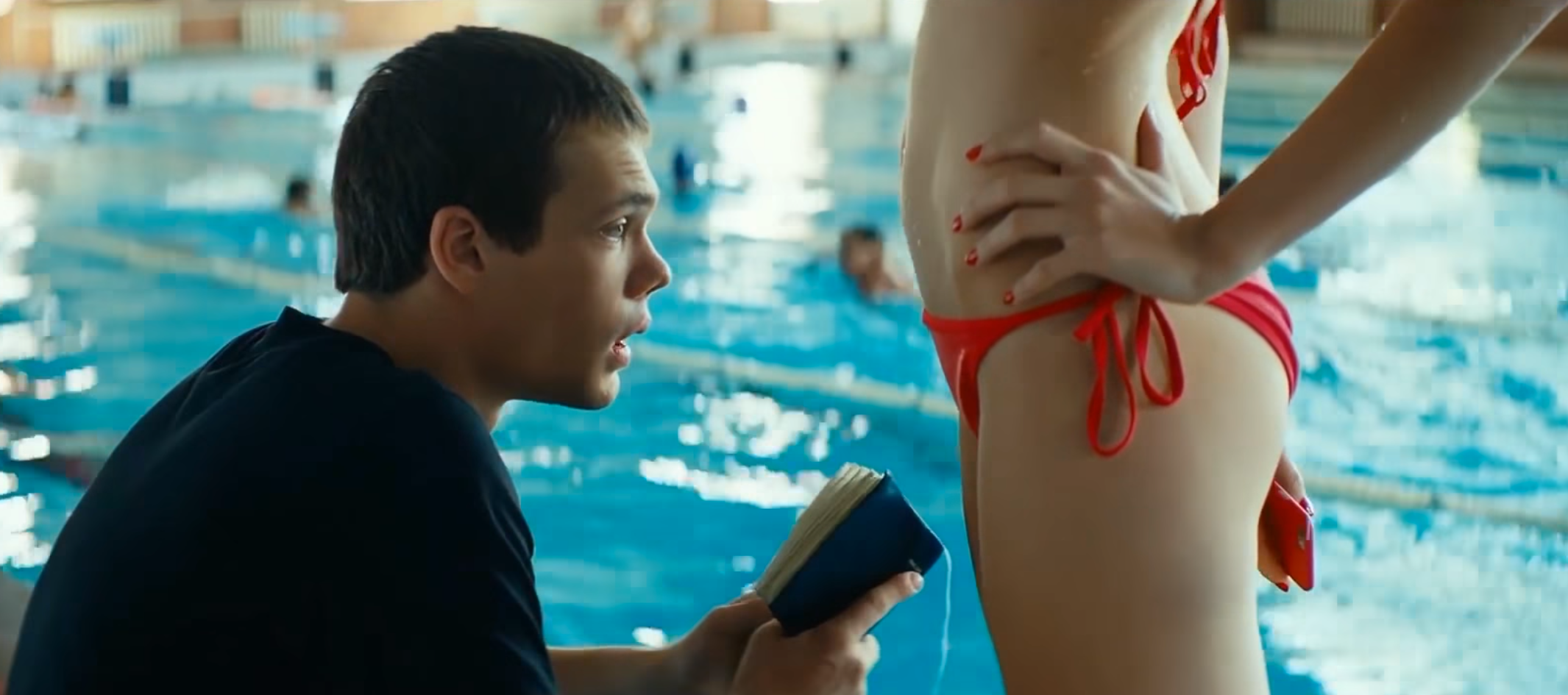
Want dat het Venya niet ontbeert aan charme, moet gezegd worden. Van de status als outsider die hij ooit had, is niets meer over. Venya's kruistocht tegen onzedelijkheid en tolerantie wordt door zijn klasgenoten met gejuich onthaald, niet omdat ze het inhoudelijk met hem eens zijn, maar omdat hij de docenten met zijn extravagante optreden op hun nummer zet. Dat zijn medestudenten op den duur vrijheden moeten inleveren door zijn fanatische beschuldiging tegen de leiding, maakt hem schrikbarend genoeg niet minder populair. Petr Skvortsov speelt Venya inderdaad met een betoverende flair, een meeslepende prestatie voor een dergelijk jonge acteur. Ook al zullen weinigen zijn kant kiezen, zijn wervelende uitvaringen tegen het establishment zijn een genot om naar te kijken. Hij krijgt daarbij uitstekend tegengas van Victoria Isakova als Elena, die hem - als spreekbuis van regisseur Serebrennikov - van rake repliek dient en hem confronteert met zijn waanzin door het blootleggen van de talloze tegenstrijdigheden in het Heilige Schrift. Waarvoor de fanaat uiteraard doof blijkt.
In dat fanatisme van de hoofdpersoon, wat de film zijn luister meegeeft, schuilt tegelijk ook de grootste zwakte van The Student. Nergens in de film leren we waarom Venya zich zo met hart en ziel op het geloof gestort heeft. De film gaat voorbij aan diens omschakeling van loser van de klas naar religieuze rockster. Is hij werkelijk van de ene op de andere dag zo diepgelovig geworden, of is het slechts een wijze om stoom af te blazen als tiener tegen zijn opvoeders? Naar Venya's motieven voor het opzoeken van het christendom blijft het gissen. Dat het hem menens is, wordt echter hoe langer hoe meer duidelijk. Populariteit bij het andere geslacht ligt binnen handbereik, maar slaat hij af. Daarentegen concentreert hij zich op het streven zijn voornaamste tegenstander, Elena, het zwijgen op te leggen, waarbij hij moord niet uitsluit. Dit is niet langer een methode van een dwarse puber om aandacht te krijgen, maar een verwerpelijke tactiek van een onwrikbare extremist om andersdenkenden uit de weg te ruimen. Hoe Venya zo wanstaltig fanatisch kon uitgroeien in zo'n korte tijd blijft een frustrerend raadsel in The Student.
Uiteraard is zijn hoofdpersoon voor Serebrennikov slechts een metafoor voor de huidige situatie in Rusland, waarin de macht van de orthodoxe minderheid groeit ten koste van de vrijheid van het individu. Venya is niet bedoeld als serieus uitgediept personage, maar als een satirische verschijning. Dat is jammer, want Svortsovs overtuigende spel is een genuanceerder uitgewerkt personage waardig. De charismatische prediker in de eerste helft van de film ontpopt zich slechts tot een bijzonder onsympathieke moordzuchtige fanaat. Die bovendien ook nog bijgestaan wordt door een overbodige volgeling, een verschoppeling in zijn klas die zegt zijn Woord te volgen, maar voorspelbaar slechts uit is op een homoseksuele relatie. Het reduceert Venya uiteindelijk tot een typetje in een toch al erg theatrale film, die de verontrustende dagelijkse werkelijkheid in Rusland wat al te opzichtig parodieert.
dinsdag 5 juli 2016
Today's Review: A Long and Happy Life
Another review up:
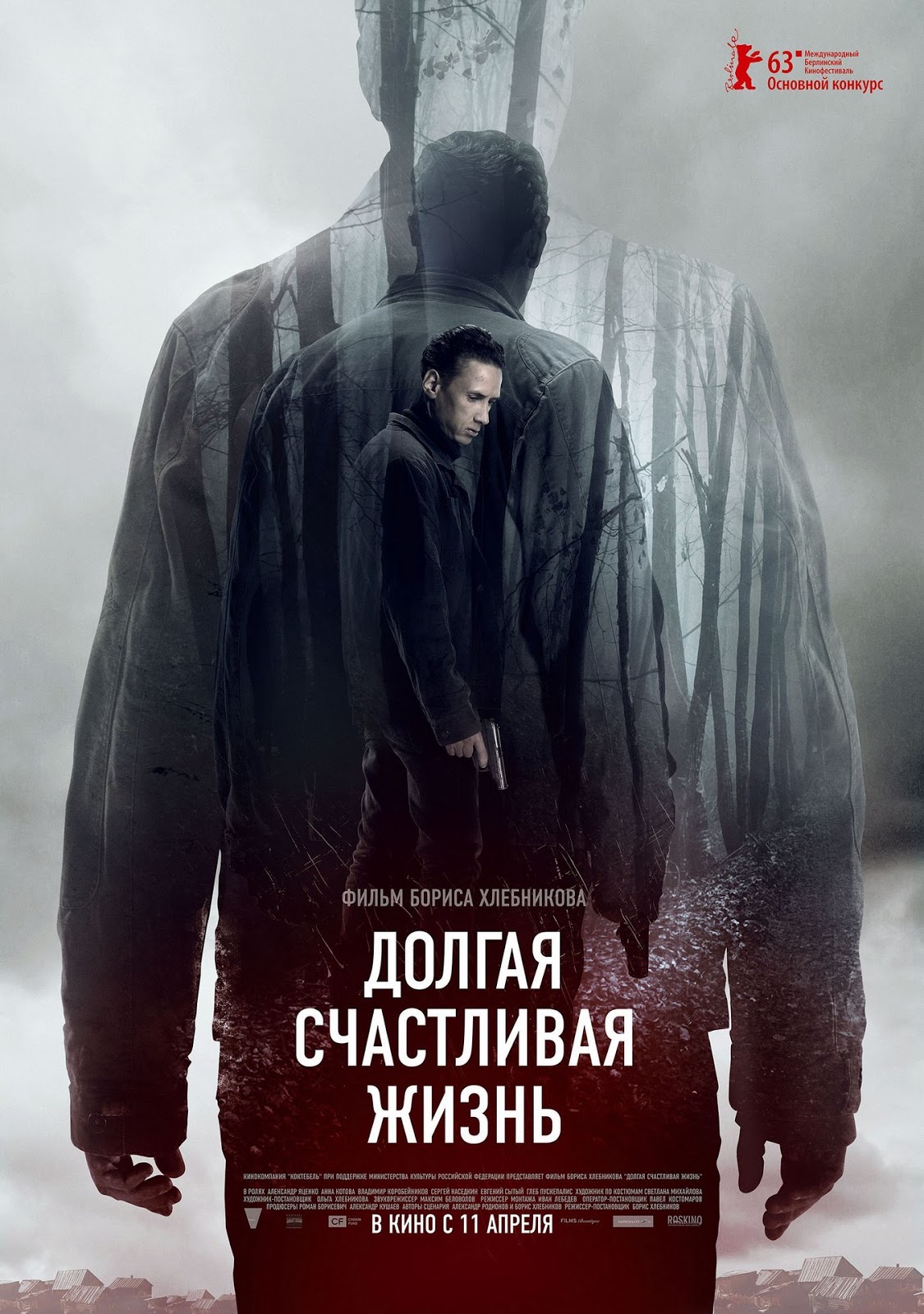
A Long and Happy Life - recensie
Director Boris Khlebnikov conceived of this film as a modern day Western set in Russia, inspired by the classic High Noon. With that knowledge in mind, you can easily recognize it as such, though for those with less prescience in regards to A Long and Happy Life, most of the ingredients are there for all to see. There's the lone hero, the rough but beautiful landscape, the love affair, the oppressed mob and of course the climactic shootout. All in just 77 minutes.
But the aspirations of an American Western aside, this is first and foremost a contemporary Russian social drama. So naturally, things don't proceed as they usually would. Unless you're versed in Russian arthouse, where the plethora of problems plaguing the nation, despite Putin's claims to the contrary, are placed front and center. Then you know full well what's in store. Corruption and the inevitability of its winning the day are the central themes of A Long and Happy Life, as they are in many similar films from Khlebnikovs peers. Sascha, who manages a small collective farm in the cold north of Russia, is all too eager to be bought by his superiors to split up the farm so the land can be used for something more productive. The dough gives him the opportunity to abandon this God forsaken place and move to the big city with his girlfriend. However, when the farmers under his command refuse to be moved as the state leaves them with next to nothing if it happens, Sascha's conscience gets in the way of the life from the title he envisioned for himself. Moved by their plight and their trust in him, he resists the officials, refuses the money and fights to keep his farm open. A hopeless battle, he knows, but as an honest man he must fight it anyway.
Now, honest men, those are hard to find, so says Khlebnikov in this fatalistic little film. The farmers sure don't turn out to be such men, as they quickly search for ways to get out, each man for himself, with as much money as he can make of it. And so Sascha soon finds himself fighting the good fight all by himself, betrayed by everybody. Tension mounts and it's obvious things cannot end on a happy note, but rather in a violent showdown only. Such is life is Russia these days, according to Khlebnikov. The point is well taken, but would have been better served by a different lead actor. Alexandr Yatsenko is well suited to play a corrupt underling, but makes a feeble impression as a lone hero. He simply lacks the necessary charisma for the part and so we're not sold on his switch from bored city boy wanting to leave the country to rebellious protector of the common folk. Which is also hindered by the small amount of time Khlebnikov puts into things, in obvious pun intended contrast to the title, since this film is naturally far from long and happy. But if you expected it to be, you are likely not familiar with Russian arthouse. Or Westerns for that matter.
donderdag 4 februari 2016
Today's Review: Francofonia
The second review by my hand posted on FilmTotaal this year (but more is well underway!):
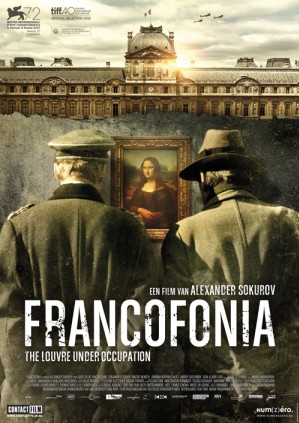
Francofonia - recensie
This is an intriguing compendium piece to Sokurov's breakthrough film Russian Ark, though it lacks the stylistic punch of that particular film. Of course, doing another 100-minute one-take shot would have felt repetitive, as if the director attempted to capitalize on his own past glory. So there's none of that in Francofonia, but that's not to stop Sokurov from pulling a few more cinematographic tricks out of his hat. That, and the overall message, matters more to him than following conventional narrative expectations. Which is made clear a bit painfully, as Francofonia is literally all over the Louvre, rather than sticking to the single time frame that one would have expected to be the primary focus. Even though the museum's survival of the war years during WW II appears to be the subject at hand, Sokurov has a lot more to tell about the place's long history, not to mention sharing his personal thoughts on both the Louvre's background, its place in art history and the treatment of art in general. That's a lot to tackle for a 90-minute movie...
And of course, as a result, not every episode of the Louvre's story proves as interesting. In fact, all of the film suffers from Sokurovs tendency to change subjects, drone on about the abuse and capitalization of art works and sudden jumps to different time periods. Nevertheless, the message remains clear: museums should not be reduced to pawns of commerce, politics or dictators. They are time capsules that tell all of human history and should be carefully preserved, kept well away from the power hungry. The German occupation is just an example of and an hommage to a period in history where the joining of forces between two like minded men, who by all accounts ought to be diametrically opposed, preserved countless artifacts for posterity. Sokurov thanks both men for their assistance to cultural history. But he also isn't afraid to remind us that the origin of the Louvre itself is steeped in conquest and theft. After all, the emperor Napoleon captured many pieces of art on his campaigns abroad and had them shipped to the capital of his empire. Hitler simply attempted to do the same and failed in the Louvre's case, while succeeding in a lot of other cases. Art and politics certainly aren't mutually exclusive.
It's a point Sokurovs makes with the help of various stylistic choices, some proven in prior works, others applied for the first time in his case. Though there are no excessively long takes used as there were in Russian Ark, his introduction of historical characters sharing their insights and motivations with us is taken straight from that film. In this case restricted to only two characters (Marianne, the French Spirit of Freedom and Napoleon), rather than many. This is not a coincidence of course, as Francofonia's main tale also deals with two characters, the museum director (representing the side of French freedom) and the Nazi officer (the conquering party, the Napoleonic figure). Their story is intercut with historical footage, while it is itself disguised as historical footage by its old fashioned framing and the many print scratches applied. It would have worked even better if it was in black and white, but apparently Sokurov disagreed. He disagrees with a lot of things in Francofonia. Like art being shipped over seas as any other piece of cargo in containers on large freighters, its very existence threatened by a violent storm. Why does art suffer so much indignity and indifference today, he laments. No matter how fragmented his thoughts as shown in Francofonia, it's hard to disagree with him, when ancient buildings and statues are demolished left and right by zealous barbarians, who are also eager to simply sell such cultural heritage to the highest bidder to fund their cause. World War II may have ended seventy years ago, but art remains ever in danger at the hands of subversive ideologies. Francofonia serves as an cautionary reminder of what could be scrapped from the history pages forever if we are not careful and respectful of art's place in our cultural mind.
Labels:
alexander sokurov,
art,
art history,
france,
francofonia,
history,
louvre,
museum,
napoleon,
nazis,
russia,
world war II,
WW II
zaterdag 31 januari 2015
Today's News: a lot of stuff to round up January
The second half of the week yielded quite a bit of little news items:
http://www.moviescene.nl/p/158768/eerste_trailer_child_44
Looks like a fairly solid thriller with a cast to match. Too bad it's already been done - Citizen X, remember? - and thus isn't a particularly original project, even though this time it's based on a book about the historical murders rather than the historical murders themselves. Those ridiculously heavy Russian accents also don't help. Do audiences really need such reminders in dialogue to remember the story is set in Russia? You'd think the set-up, names and uniforms alone would do the trick. Other than that, this film looks like a decent thriller flick. Considering the current strained relationship of most Western countries with Putin's Russia, you cannot help but wonder whether this is an appropriate time to release a film about a psychopath running rampant in the Rodina aided by a corrupt system of bureaucrats defending an ideology that doesn't always have the best interest of its subjects at heart. I can imagine there will be some complaints from Russian citizens about the contents of this film, whether the film proves to be of good quality or not (probably more so in the case of the former, since then it will receive more attention). Since The Interview didn't spark WW III, maybe this will, though that's undoubtedly giving it too much credit in advance.
http://www.moviescene.nl/p/158748/fox_maakt_x-men_serie
Once again Marvel leads and the rest follows. Now that the House of Ideas is firmly getting its grasp on the small screen, expanding its Cinematic Universe on telly too, other studios are eager to do the same. And so Fox plans an X-Men series accordingly. I don't mind, as the conventions of television offer a much broader narrative perspective on the vast X-realm with its many hundreds of characters, in a way the movies could only touch upon. Makes you wonder why they haven't tried this before (and I don't mean like the various animated series). Of course, a conservative studio like Fox likely needed someone more innovative to indicate it can be done successfully, which Marvel has now shown with Agents of S.H.I.E.L.D. Since public interest in anything Marvel is at an all-time high, it seems the right time to produce an X-show. In fact, they better hurry before the popularity of the franchise goes into decline, which is an option I don't exclude, now that Channing Tatum is set to take over the reigns from Hugh Jackman as the leading X-protagonist (shifting the focus more from Wolverine to Gambit), a prospect I'm not looking forward to. I do hope there'll be room for a new creative route, rather than copying the style of the movies. The X-universe is a deliciously diverse place (as befits its message of peace and tolerance to those who are different), so it would behoove the series to reflect that fact and explore any X-citing angle imaginable.
http://www.moviescene.nl/p/158769/disney_wil_pratt_als_indiana_jones
Is it me, or is Chris Pratt everywhere these days? There's not a movie project goes by that doesn't at least once features his name attached, or so it seems. Sure, Pratt looks like a really likeable guy and he made a fine Star-Lord. But does that warrant the thought of 'Oh hey, we need a leading man for this project, let's ask Pratt because he's so darn kewl' all the time? Apparently that's the default casting thought going around Hollywood these days. Sure, put Pratt in Jurassic World. Go ahead and stick him in Indiana Jones. Just make sure the rest of those films looks as dashing and charming. As for recasting Harrison Ford, it was only a matter of time. I always imagined Indiana Jones a lot like James Bond. You can have him be played by any number of actors, as long as the movies continue to incite that same level of adventure and excitement as they always do. In Indy's case, I'm not one of those unrealistic and conservative types that sticks to the original ad infinitum, even though he was the most iconic in that role. I'm willing to allow other actors in that persona. But not Shia LaBeouf, please. Better ask Chris Pratt whether he feels up to it. Oh I forgot, they're already doing that...
http://www.moviescene.nl/p/158799/eerste_trailer_ted_2
Okay, so the jokes in this trailer mostly revolve around bodily excrements and random popcultural references, as is usual in Hollywood comedy nowadays. Bear with me (pun, yes). Do I detect a plot that may very well be too intelligent and too philosophical for a film like this? The question of sentience, what makes a human being a human being and the limitations human beings themselves arrogantly set as to what constitutes life that should be allowed to have the same rights as ourselves, that sort of thing. There's some definite 'Measure of a Man' level story opportunities involved here! And of course, none of it will matter much, as it will just prove interspersed between a flatulence joke here and a cameo by the guy who used to be Flash Gordon there. Still, I can't help but give Seth MacFarlane credit for at least trying. I bet 'The Measure of a Man' ranks among his favorite episodes of Trek. And I also bet this movie is gonna be your totally average run-of-the-mill raunchy comedy, the type you've forgotten the day after you watched it.
http://www.moviescene.nl/p/158809/eerste_trailer_madame_bovary
Unlike this film which, too, is mostly about sex but doesn't touch upon it in a comedic fashion. Madame Bovary is one of the most scandalous works of literature to come out of the 19th-Century. However, for a contemporary audience that watches too much HBO, it'll be hard to make it as impactful as once this story was. Sexual shenanigans outside of holy matrimony are an everyday occurrence in the dramatic arts now and are not likely to shock anyone. So what relevant meaning is there for today's audience? Probably not anything novel. Doesn't stop a decent collection of both seasoned and young actors from practizing their craft in a wonderful fashion, complete with rustic landscape shots and lavish period costumes. That sort of thing at least never gets old. And if the characters decide to ditch said costumes while fooling around in said rustic landscapes, if not shocked or flabbergasted at such audacity, we'll still be intrigued some.
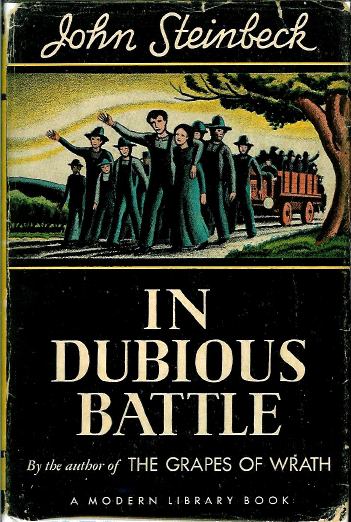
http://www.moviescene.nl/p/158812/franco_verfilmt_steinbeck_
James Franco by comparison is one of those actors who effortlessly seems to switch between raunchy comedies and serious drama. Or between acting and directing, for that matter. Hot off starring in The Interview, he's ready to direct a John Steinbeck novel, dazzling us with his versatility, if we hadn't become used to it already by now. I applaud such diversity, as well as Franco's taste in casting. He seems to have caught quite a few talented names for this latest project of his (and Selena Gomez, too). Even though he's been directing all kinds of stuff for a while now, I haven't yet had the pleasure of checking any of it out. Whether this will just add to that pile of unseen (by me) titles, time will tell. It's not like I ever read a John Steinbeck novel. But you can wake me for a performance by Ed Harris or Bryan Cranston any time (though preferably not when I'm asleep).
Labels:
child 44,
chris pratt,
Disney,
fox,
in dubious battle,
indiana jones,
James Franco,
john steinbeck,
madame bovary,
Marvel,
Mia Wasikowska,
russia,
seth macfarlane,
social drama,
ted 2,
x-men
woensdag 12 juni 2013
Today's News: Rasputin rises again
Just off the MovieScene hotline:
http://www.moviescene.nl/p/147842/leonardo_dicaprio_wordt_raspoetin
I wrote a paper on the infamous Mad Monk in high school, so I'm versed well enough in Rasputin's history to know there's plenty of material in there to make for a smashing movie. Intrigue, religion, social upheaval, class conflict, war and loads of saucy, steaming sex, Rasputin's life had it all. Not to mention a hint of the supernatural is available, if the people behind this movie choose to explore that particular aspect of his persona. The latter is doubtful, though his bizarre death certainly cannot be ignored: few people get poisoned, beaten, mutilated, shot, drowned and finally frozen without such a harrowing end being considered the stuff of movies after all. However, considering the names so far attached to this project, I'm convinced this movie will go for an intelligent, historically responsible approach to portraying the starets instead of overindulging in the sensationalism of his wild existence.
Speaking of names, Leonardo DiCaprio, really? Don't get me wrong, Leo has proven himself a formidable actor capable of handling any number of wholly different types of roles over the last decade. Still, a lot of movie magic is required to make him look and sound anything like the historical Rasputin. This one will take quite the metamorphosis, as it's unlike anything DiCaprio has ever done before. I always imagined Rasputin to be played by the likes of Benicio Del Toro, Mickey Rourke or even Jeremy Irons. Nevertheless, I know DiCaprio will succeed in making for a compelling Rasputin, and I look forward to seeing him die a violent, brutal, overly long and painful death.
http://www.moviescene.nl/p/147842/leonardo_dicaprio_wordt_raspoetin
I wrote a paper on the infamous Mad Monk in high school, so I'm versed well enough in Rasputin's history to know there's plenty of material in there to make for a smashing movie. Intrigue, religion, social upheaval, class conflict, war and loads of saucy, steaming sex, Rasputin's life had it all. Not to mention a hint of the supernatural is available, if the people behind this movie choose to explore that particular aspect of his persona. The latter is doubtful, though his bizarre death certainly cannot be ignored: few people get poisoned, beaten, mutilated, shot, drowned and finally frozen without such a harrowing end being considered the stuff of movies after all. However, considering the names so far attached to this project, I'm convinced this movie will go for an intelligent, historically responsible approach to portraying the starets instead of overindulging in the sensationalism of his wild existence.
Speaking of names, Leonardo DiCaprio, really? Don't get me wrong, Leo has proven himself a formidable actor capable of handling any number of wholly different types of roles over the last decade. Still, a lot of movie magic is required to make him look and sound anything like the historical Rasputin. This one will take quite the metamorphosis, as it's unlike anything DiCaprio has ever done before. I always imagined Rasputin to be played by the likes of Benicio Del Toro, Mickey Rourke or even Jeremy Irons. Nevertheless, I know DiCaprio will succeed in making for a compelling Rasputin, and I look forward to seeing him die a violent, brutal, overly long and painful death.
Abonneren op:
Reacties (Atom)