dinsdag 25 juni 2013

Jurassic Park Series 1: Electronic Tyrannosaurus Rex

(a.k.a. Red Rex)

Year of release: 1993

Accessories:
-Collector’s Card #16 (alternate card (#64) for 1994 re-release)


Description: the first and most classic large Kenner sculpt of the Tyrant Lizard King, and the biggest dinosaur of the JPS1 toy line, measures some 60 centimetres in length and stands about 20 centimetres tall. Like the other large dinosaurs of this line it features “realistic” soft skin, but it’s less flexible this time: apart from its lower legs and arms the entire figure’s skin is composed of this material. Rex’s arms are the only poseable body parts. Red Rex lacks any dino damage wounds (who would wound him after all?), which might be due to the electronics. These consist of a biting action paired with a vicious roar, or stomping sounds. Pressing the left flank makes the jaws open and the creature roar, while placing the Rex’s legs down with minor force causes stomping noises.
This Rex features a predominantly brownish red paint job (hence the nickname Red Rex). This colour scheme can be found all over the body, except for the underside of the lower jaw and tail, belly and throat, which are all coloured light green. Also, the front part of the legs are painted dark brown, while the claws on its feet are black (unlike the claws on the fingers though). The skin is adorned with black spots on the creature’s back, upper jaw, neck, upper part of the tail and upper legs. The Rex sports small light green eyes with black pupils and tiny white irises in black eye sockets. The inside details of the mouth, including the tongue, are painted light brown, while its teeth are white. On its left leg the creature is marked with a large green JP logo with the number .09 next to it. Red Rex stands in a fully neutral pose, though the tail might be bent upwards or downwards due to the way this sculpt is packaged in its box: the tail can be bend in a normal posture though.

Analysis: a classic figure many people carry a nostalgic fondness for, the Red Rex is no doubt the most memorable big dinosaur sculpt of all. Up until the release of the TLWS1 line it would be the only huge dinosaur figure produced by Kenner and thus the only one that would really dominate the puny human figures and their feeble weaponry in the everlasting quest for dominance of Jurassic Park. It is a good sculpt with a damn fine paint job, but it is quite lacking in the playability department since it features very weak electronics that break down rather easily.
Though the system of pressing the button underneath the creature’s skin works fine and makes the jaws open with no difficulty, as well as releasing a horrifying (though not movie accurate) terror scream, the fragility of the system makes it hard to put them nasty jaws to good destructive use. It often happens the system breaks down after a while, causing infamous problems like a Rex that won’t stop roaring or jaws that don’t move any more. Unfortunately little can be done about this. The biting jaws are a nice attack action, but unless you’re very careful with the figure you won’t enjoy them for long. The way to activate the stomping sounds might also contribute to this. Making the creature stomp by putting it on a surface with enough force to activate the sounds doesn’t seem healthy for the inner systems either.
Apart from the fragile electronics and its sheer size, this figure hasn’t got anything to offer. This is a real shame, because it makes sense kids would want to go rough on their human figures and vehicles with a large Rex figure, causing mayhem and chaos as Rex did in the movie. The TLW line applied a more clever approach and delivered two large Rexes, one with electronics (in better condition than found in the Red Rex) and another poseable one without them for playing wild with.


Playability: minor, unfortunately. The feeble electronics won’t allow for much playability since they’ll break down easily, either destroying the sounds or the biting jaws (or both if you’re really unlucky). The moving jaws are a good option though, and a big improvement over the unimpressive biting jaws seen on this line’s Young T-Rex figure (though that sculpt didn’t mind being played roughly with). Red Rex’s jaws are big enough to trap humans or small dinosaur figures them between. Also, the two different sounds (roaring and stomping) do add some diversity. Though only the arms are really poseable, it can be said the tail is too because of its flexibility.

Realism: though it’s not movie accurate this sculpt resembles the Tyrannosaurus seen in the movie quite a lot, especially looking at the head sculpt. The paint job isn’t identical, but not far off; it’s also rather reminiscent of the paint jobs of both the Young T-Rex and Muldoon’s Rex hatchling, adding some consistency to the toy line. Unfortunately the roar is made up by Kenner and not as chilling or impressive as the roars heard in the film (something all JPS1 electronic figures suffered from). The stomping sounds quite good though.
As a side note, some advertisements as well as various card backs of other JPS1 figures displayed a large Rex sculpt which was completely movie accurate compared to this final Rex sculpt. This particular Rex figure was one of Stan Winston’s Rex models, used as a stand-in to show Kenner was developing a large roaring and biting Rex figure. This brilliant Rex sculpt was never intended to be the final big Tyrannosaurus action figure of the JPS1 line (at least, no proof of this exists).

Repaint: being part of the very first JP toy line this sculpt is not a repaint in any way. It would not be repainted for following toy lines either.

Overall rating: 7/10. Though sporting a classic and impressive design and paint job, the weak electronics and inaccurate roar take away from it somewhat. However, it’s well worth getting, also because it’s not hard to come by. It can be purchased at relatively low costs, even MIB if you’re lucky.


Jurassic Park Series 1: Triceratops


Year of release: 1993

Accessories:
-Removable Dino Damage wound patch
-Collector’s Card #10 (alternate card (#63) for 1994 re-release)


Description: this big Triceratops figure is the second largest figure in the JPS1 toy line: only the Electronic T-Rex beats it qua size. It measures some 30 centimetres in length and stands in a walking mode with its left hind leg and right front leg posed backward. The rest of the sculpt takes on a neutral posture. Like the other big dinosaurs of this toy line it features “realistic” dinosaur skin, made of softer and more flexible material than regular hard plastic. All of the figure except for the head and lower legs is made of this material, including the removable dino damage wound patch located on the right flank. Removing the skin patch reveals bones and red muscle tissue underneath. Triceratops also features a genuine action feature: squeezing its torso makes its large head move upward as if the creature is giving a head butt defending itself from a predator with its impressive horns. A large button is located underneath the skin around the left shoulder area to activate this attack option.
This figure sports a mostly dark brownish green paint job (though a common variation exists which is more brighter green instead) with darker green stripes running from its back down the flanks, tail and legs. The lower parts of the body (belly, underside of the tail, throat, lowest part of the lower jaw, insides of the legs) are coloured bright green instead. The figure has rather a short tail. Trike’s body and frill are covered in small oval lumps, sporting the same paint job as the skin. Triceratops’ hallmark, one small thick horn on the nose and two elongated ones above the eyes, as well as a large round frill covered in tiny horns on the back of the head, are well established on this figure. All horns (19 in total on the frill) are coloured beige. Trike also features a large parrot like beak (no different paint job) and small yellow eyes with black pupils. The claws on its feet aren’t painted in a different colour. On its right lower hind leg a large beige JP logo is found with the number .08 next to it.

Analysis: this is one of the best large dinosaurs of the first toy lines and an absolute classic Triceratops toy many will always carry a warm place in their hearts for. Though it has a somewhat dull and monochromatic paint job it has wonderful soft skin and a cool action feature (unlike the Stegosaurus and Young T-Rex figures, which are much lacking in the action department). The animal’s skin is quite detailed up close, though the paint job could have used more work in that area (a real shame the beak and claws aren’t coloured differently from the skin).
Like the other big dinosaurs (apart from the large Electronic Rex) of this line this figure carries a removable dino damage skin patch, revealing a bloody mess underneath. The patch itself doesn’t look fake (like the Young T-Rex’s) but more like a randomly torn out piece of skin some nasty big carnivore bit out of the poor herbivore. It is easy to remove due to a small piece of its skin sticking out and can also be put back with no difficulty.
This Trike is equipped with a great attack action feature, which is all the more welcome because of the lack of such an option on most other big dinosaurs of the first toy lines. Squeezing the creature’s shoulders and thus pressing the button underneath the left shoulder makes the head rear up forcefully. It’s enough to knock most human figures and smaller dinosaurs down, and can also be used to flip over cars and bigger dinosaurs in combat. It works and looks great, except for one minor downside; the mechanism activating the attack action is too exposed under the figure’s neck, making it look too artificial. It would have helped if there was a flexible stretch of dinosaur skin to make the neck run inside the figure’s head as well, but because it’s such a neat action feature it’s only a small complaint.
This big Triceratops is an excellent sculpt with the best head butting action of all the JP dinosaur figures. Since the TLWS2 Triceratops figure, which would also have featured such an attack option and would have been about equally large, didn’t get released this is really the most successful and appealing Trike figure of all the JP toy lines, and one of Kenner’s finest accomplishments.


Playability: good enough, despite a lack of poseable body parts. The position of the legs, though not neutral, doesn’t hinder the creature. The head butt is a great action feature which is easy to use and rather powerful as well. The dino damage also adds to the playability, as does the flexible skin. Trike is also very good for use in dioramas.

Realism: the shape and size of the beast’s head make it unmistakably a Triceratops. The roundness of the frill also sets it apart from most of its closest Ceratopsian relatives which featured differently shaped frills. However, the frill on this Trike is somewhat small compared to the rest of the face. The horns above the eyes could also have been made a bit longer, though they’re not bad the way they are. Overall this is a good representation of the famous Triceratops, with a decent likeness to the one seen in the JP movie except for the different paint job (green instead of brown).

Repaint: as part of the first JP toy line this figure is not repainted in any way. It would not be repainted for later toy lines either.

Overall rating: 8/10. A good sculpt with a great attack feature, nice soft skin and a funky dino damage wound, what more could you want (except a more elaborate paint job maybe)? This toy is definitely worth purchasing and fortunately not hard or costly to find (even MIB) after all these years since its release.


Jurassic Park Series 1: Stegosaurus


Year of release: 1993

Accessories:
-Removable Dino Damage wound patch
-Collector’s Card #3 (alternate card (#62) for 1994 re-release)


Description: this large four legged herbivorous dinosaur figure measures just over 20 centimetres in length. It stands in a largely neutral pose, except for its right hind leg which is moved slightly forward and its head which is posed to the left as if the creature is looking at something in that direction. Stegosaurus has no poseable body parts. The figure sports a large dino damage wound with removable skin patch on its left flank, revealing muscle tissue and bones underneath. Part of the skin on the patch sticks out so it’s easy to remove. Like the other large dinosaur figures of this toy line this sculpt features “realistic” dinosaur skin, meaning its body is composed of soft flexible material instead of hard plastic like the smaller figures. This goes for all of the body, save the legs. The plates and spikes on its back and tail are also made of this material, though in reality they were made of bone tissue. This Stegosaurus carries a total of ten plates (all more or less triangular with small grooves and specks on the sides) on its back, from the neck to the end of the tail, where the line of plates ends with two smooth spikes. The first three plates (which are located on the neck) are attached to each other because of the way the Stego’s head is posed.
Stegosaurus sports as green a paint job as seems possible. The lower parts of the animal (legs, belly, underside of the tail, sides of the neck, throat and head) are painted light green, as opposed to the plates, spikes and most of the back which are coloured darker green. On the flanks the two shades of green meet and form an aesthetically pleasing combination of light green lines and dark green spots in a random pattern. The back of the beast’s head features some small dark green lines but the rest of the head is all light green. Stego has tiny bright green eyes with black pupils and white teeth, while the inside of its mouth is pink. Its small claws on the feet aren’t painted in a different colour. On the left lower hind leg a large dark green JP logo is found along with the number .07.

Analysis: though this Stegosaurus features a classic and beautiful green paint job (albeit a bit monotonous), the figure as a whole is quite disappointing. It has no poseability and no real action feature to speak of, except for the dino damage wound. This wound is much larger than the one the Young T-Rex features and also looks less artificial and more random, as if a large carnivore dared attack this spiked creature and bit a huge chunk of flesh out of its flank. The wound looks convincing enough, but the small bit of flesh sticking out of the patch to make it easily removable looks a bit odd, like the creature has an old flesh wound there.
Though the box mentions a ‘whip action spike tail’ this is a great exaggeration. The soft material the figure’s skin is made of allows the tail to be flexible, but no more so than the tail of the Young Tyrannosaurus Rex or Triceratops figures. Does this mean these creatures also have whipping tails? No. It just shows the designers didn’t bother to add a real whipping tail action feature to this sculpt, like they did later on with the TLWS1 Stego (a sculpt which corrects all of this figure’s errors by the way). Of course the flexible tail can be used to knock figures over, but it just feels and looks cheap.


Playability: almost nonexistent. This figure features no moveable body parts at all. The only real action is provided by the dino damage wound patch, which fortunately is easily removable and also not hard to restore. The whipping tail action feature the box shows is quite a scam. Interestingly enough, Stego’s neck can be twisted around, allowing for some very minor poseability, but when released it immediately flips back. The flexible dinosaur skin does make this figure sensitive to easy paint wear, especially when the tail is used in rough attack actions. It would be a shame to ruin this creature’s paint job, especially since it’s one of its few successful features.

Realism: as if the lame action feature and lack of playability aren’t disappointing enough, the creature’s design is all wrong too. Stegosaurus wasn’t featured in the first JP movie, so the designers had to start from scratch. It’s obvious they didn’t really do research to see whether their sculpt was accurate, because it turned out to be one of the least paleontologically correct dinosaur figures of all the JP toy lines. Most obviously, the shape of the plates is totally wrong. Also, Stego here has only two spikes on the end of the tail, which is even more stupid when you take a look at the collector’s card this figure comes with: the back of the card clearly states this dinosaur had four spikes, like the creature on the picture (which however has too much plates on its back). Another big mistake of this figure is the fact that the front legs are on the same height as the hind legs (which also causes the neck and head to be posed too high in the air), while in reality they were much shorter. Compared to human figures this Stegosaurus is also undersized, though compared to the other mistakes this seems hardly worth mentioning.

Repaint: as part of the first JP toy line this figure is naturally not a repaint. It would not be repainted for later toy lines either, which in understandable, since the far superior TLWS1 Stegosaurus took over the role of large spiky dinosaur figure.

Overall rating: 4/10. A good wound and a fine paint job don’t make up for a lame action feature and an almost total lack of playability. Stegosaurus is one of Kenner’s least appealing figures and as such hardly worth the effort to track down and purchase. It’s quite common, even MIB it’s not difficult to find, and fortunately it shouldn’t cost you too much should you really want one.


Jurassic Park Series 1: Young Tyrannosaurus Rex

(named Tyrannosaurus Rex Junior in European versions)

Year of release: 1993

Accessories:
-Removable Dino Damage wound patch
-Collector’s Card #1 (alternate card (#61) for 1994 re-release)


Description: the smallest of the two large Rex sculpts of the JPS1 toy line (but still about 25 centimetres in length), the Young T-Rex stands in a fully neutral posture. Unlike most smaller dinosaur figures it features “realistic” dinosaur skin (though there is no such thing of course, since we’ll never know for sure what dinosaur skin felt like), made of a more flexible and softer material than the regular hard plastic. The figure’s arms, lower legs and inside of the mouth are not composed of this rubbery material. On its right flank a piece of his skin can be removed, revealing a dino damage wound underneath, showing white ribs and red blood and muscle tissue. The wound patch itself is largely symmetrical in shape. The Rex’s small two fingered arms are the only moveable body parts. This sculpt’s action feature consists of its jaws, which can be opened by squeezing the creature’s neck.
The Young Tyrannosaurus Rex is largely painted in a light brown earthy colour tone with small darker brown stripes running over its back from the back of the head all the way to near the end of the tail, and additional dark brown spots found on the upper legs, feet and snout. Its belly and underside of the tail are coloured beige. The claws on its feet are also dark brown, but the small claws on the hands are not painted. Tiny yellow eyes with black irises and white pupils are embedded in dark brown eye sockets. The creature’s mouth is adorned with nasty white teeth, a dark pink tongue and additional dark pink mouth detailing. This Young Rex sports a large purplish JP logo with the number .06 on its right lower leg.

Analysis: one of the most fondly remembered carnivore figures of the first toy line comes in the shape of this Young Tyrannosaurus Rex. For many, including myself, this was the first JP figure we owned: such nostalgia combined with a great detailed figure with a neat (though slightly monochromatic) paint job and a fantastic dinosaur skin feel makes for an instant classic figure.
This figure comes with two action features. The first is the typical dino damage wound patch, which was found on most larger non electronic dinosaur figures of the first JP toy lines. Removing the Rex’s wound patch reveals a nasty wound, which makes one wonder what creature would dare attack a T-Rex. The wound looks gory, but the shape of the wound patch is too perfect and artificial: it looks like someone just cut an almost symmetrical hole in little Rex, instead of him suffering from a vicious attack by a rival carnivore.
The second option applied to this figure is a biting action. However, these biting jaws are a bit of a cheap action feature though, since it’s only because of the soft material the dinosaur’s skin is composed of that this biting action is produced. The larger Electronic T-Rex of this toy line also features moveable jaws, but in that figure’s case the designers actually put a system inside the sculpt so the jaws open by squeezing the belly, thus pressing a button underneath. That Rex’s skin is made of the same material though, so it can also open its jaws by just simply squeezing the neck. That would be too cheap for such a large expensive toy, but this Young T-Rex apparently needed no ‘real’ action feature. Squeezing the neck does open its jaws decently though, while it can also be used adequately to trap unfortunate figures’ body parts between them. It may not look very appealing, but at least it works.


Playability: decent enough. Though only the arms are really moveable, the flexible material allows for additional poseability to some extent (including the jaw motion). The dino damage wound patch is easily removable and can also be put back with little difficulty, but when applied to the figure it’s stuck strong enough so it doesn’t fall off on its own accord. Though usually the figure stands well balanced, more worn out Rexes occasionally have trouble standing up straight. A note of caution: because of the soft dinosaur skin this figure is more susceptible to paint wear, so if you want to keep it looking pristine you shouldn’t play too rough with it. Still, it’s the only bigger Rex feature of the first two lines that allows for wilder playing, since the large Red Rex with its fragile electronics is easily broken when getting all rowdy with it.

Realism: this figure is an interesting addition to the first toy line. Though no Young Rex was seen in the movie, a juvenile Rex much like this one played a minor role in Crichton’s original novel. This figure seems to be based off the book instead of the movie, though its paint job is not very different from the Rex seen in the film. The small two fingered arms make it distinguishable as a Tyrannosaurus or at least a close relative, but its head is somewhat oversized compared to the rest of its body.

Repaint: as a part of the very first JP toy line this figure is not a repaint. However, it’s one of the more frequently repainted larger dinosaurs produced by Kenner. It was first repainted for the JPS2 toy line in a very different dark colour scheme, and also featured capture gear. Later on, it was repainted as a TLW exclusive figure and included the same capture gear as its JPS2 predecessor. It was again repainted with the same capture gear for the first JP Dinosaurs line. A second JPD repaint, for the second JPD line, may have been planned but was eventually scrapped: details on this supposed repaint are still somewhat sketchy though.

Overall rating: 8/10. Featuring a decent paint job, detailed flexible skin and a dirty dino damage wound, this classic Rex figure is quite a blast. Though it comes with a bit of a lame action feature it’s well worth getting your hands on. Fortunately it’s not rare at all and can be found for good prices easily, even MIB.


zondag 23 juni 2013

J.J. Abrams: to cowardly go where better men have gone before


Star Trek Into Darkness: **/*****, or 4/10


Warning! Here be spoilers! But who cares?!

I'm not having a good time lately. Star Trek Into Darkness has recently been released to critical acclaim and positive box office results. Tough luck for me, since now I have to continually remind people around me whay this is not a good thing, same as J.J. Abrams' previous “Star Trek” film (2009) was not a good thing. At least this time many Trekkies are agreeing with me J.J.'s involvement might not have been the preferred direction for the franchise to go in hindsight – a lot of my fanboy colleagues at first disagreed with me on J.J.'s previous monstrosity and ended up actually liking it, bunch of morons! – since many have a hard time accepting his take on Khan, which is a watered down, emotionally empty version of the original 1982 Trek classic The Wrath of Khan. And even Trekkies agree buggering their classics is not something that Trek should have to endure. But it does, and the general audience – bless their God given 'right to be stupid'! – loves J.J. for it.

Star Trek Into Darkness opens with an overly Spielbergian action climax á la Raiders of the Lost Ark, which is not surprising since it's well known that J.J. has always been inspired by Spielberg, as well as for his tendency to be blatantly derivative of the master's work if he can help it. The public finds Kirk, Spock and McCoy on M-class planet Nibiru where a giant volcanic eruption is threatening the surivival of the local humanoid species. Of course, Kirk cannot allow the Nibirians to be wiped out, even though the Prime Directive dictates non-involvement with non Warp drive equipped species. In essence this means Kirk should just let things happen as they happen and ignore the species' plight altogether. Which was the way Picard usually went for in TNG, if his crewmembers didn't screw it up for him. In this case, Kirk does the screwing up himself, saving the species but doing irreparable cultural damage when he's allowing them to see (and afterwards worship) the Enterprise in all its glory as it rises from the ocean. The audience doesn't get time to question what the hell it was actually doing underwater in the first place (well? What was it doing there?! You tell me!), except to show off a few cool shots having a starship do something that hasn't been done before, but only for the sake of looking cool as opposed to making narrative sense. Of course this infringement upon Starfleet's 'rule of rules' doesn't go unpunished and Kirk has his command taken away from him. Rightly so, since if this (and in fact the whole previous movie) demonstrates anything, it's that this particular Kirk is too young, too impulsive and too stupid to properly fit into a captain's chair. 


Luckily for Kirk however, Starfleet HQ is attacked and his friend and mentor Captain Pike is killed – no wheelchair with simple yes/no vocal interface for this timeline's Pike! – and Kirk can convince the admiralty to give him back the Enterprise and go on a manhunt for the terrorist behind the plot, a man named John Harrison, who is ultimately revealed to be Khan so soon into the movie that it doesn't really matter if I spoil it for you here (besides, there's a spoiler warning above, nerfherder*!). Kirk tracks the villain down to Q'onoS (but spelled 'Kronos', so people don't get confused aligning what they hear with what they see onscreen) where he beamed to after his last attack on Earth – nevermind Trek physics in this timeline, if it avoids lenghty story telling and swiftly gets “our heroes” where they need to go it works fine for Abrams – which ends up in an all too brief showdown with a bunch of Klingons (ugly with helmets, uglier without; but at least they speak something resembling Klingon) before Khan is arrested and taken back aboard ship, where the plot thickens. Or so Abrams would like us to think. Turns out Khan is just a puppet in a larger masterplan of a naughty Starfleet admiral who's out for a little 'coup d'etat' on the Federation for his own inexplicable but undoubtedly nafarious ends. And that's the film's biggest problem right there.

The main issue against STID in regards to Khan as an antagonist is that for the longest time he plays second fiddle to Peter Weller's villainous Admiral Marcus. It's not until Marcus is disposed of that Khan comes into his own. Until that time we have to make do with an overly militaristic old fart threatening to subvert Starfleet in order to... yeah, for what reasons exactly? Marcus' motivations remain rather vague. But then, an admiral who keeps a model of a top secret warship on his desk for all to see is hard to take serious anyway. At least Khan has clearer goals, and they are not even so ignoble. In fact, once Marcus, who forced his hand all the time, is out of the way, Khan isn't even that much of a bad guy – he just wants to rescue his own “crew”, much like Kirk tries to protect his – but the script has him act like one after a completely gratuitous surprise appearance by old Spock (Leonard Nimoy selling out once more), who informs his younger alternative self, and the laymen in the public (there will be many no doubt), just who Khan used to be in the original time line, so the audience expects Khan to be just as evil now. Consequently, he is, for no other reasons than to satiate our expectations and to fill the void left by Marcus' demise which has left the film without a proper bad guy. Unlike was the case with the original Khan, there's no reason for Khanberbatch to have any real personal beef with Kirk. In fact, they teamed up successfully against Marcus only a minute before, making Khan even more 'less of a bad guy'. The lack of a solid conflict between Kirk and Khan is a severe weak point in establishing Khan anew, as is his so-called status as a superhuman. Thanks again to poor scripting, Khan is hardly allowed to show off his superiority, at least in the brain department. His actions are more the result of opportunity than they are of careful advance planning. Like everything in J.J.'s Trek-verse, Khan is just not as smart as he ought to have been. At least Cumberbatch portrays him with enough angry vigour and physical prowess to come off as 'fairly frightful'. But he's still a far cry from Ricardo Montalban's original, far superior super human, who was truly dominating “his” movie in terms of menace and intellect. After all, he caused Spock to die.


In Star Trek Into Darkness, it's Kirk's time to meet his maker. Thing is, his untimely demise doesn't make for an emotionally gripping final moment as he faces Spock, hands to the glass in an effort to reach out in mutual understanding and respect one last time. Problem being, this is not the Kirk we have known for so long and thus come to love. We've been with this particular Kirk for only a few hours total and that's simply not enough to care deeply enough about him to make us feel anything when he kicks the bucket. And even if it did, we are robbed of this intended emotional climax anyway thanks to a very cheap and convenient plot device, courtesy of Khan. The genetically enhanced dictator not only packs a mean punch, but he also has healing powers in his blood. Long story short, giving Kirk a blood transfusion returns him to the living – yes, you're reading this correctly – and all's well that ends well. Seriously, what was the point of having him die at all, apart from haphazardly echoing the bittersweet, tearjerking final moments of Star Trek II? Apparently it was only a way to piss Spock off once more, making him go on an emotional rampage (again! That's twice in two movies: apparently this Spock just isn't a very good Vulcan) and defeating Khan for once and for all. Obviously, not without a little help from his girlfriend Uhura. Women resucing their men out of tough spots is as much a cliché as the age old damsel-in-distress these days.

And there we have another weakness in the script when it comes to characters: Uhura. Or better said: the rest of the crew. They don't get that much to do and continue not to matter much. Uhura for some reason has an actual boyfriend/girlfriend relationship with Spock, even if this is completely illogical. After all, in the preceding film planet Vulcan was destroyed, so why would Spock bother dating a human girl instead of a Vulcan woman when there's already so little Vulcan blood left to keep the species going? The whole how and why behind their liaison is blatantly ignored, nor does it ever get beyond the stage of petty squabbling interspersed with brief moments of saying 'I love you'. And that's just not enough to make a relationship with consequences of this magnitude a thing of logic. Or realism. Then there's Sulu. Which is basically all that can be said of his presence in this film. So moving on, we have Chekov, Russian accent more cringeworthy and annoying than ever. This time he gets his big break and is moved from helmsman to Chief Engineer, a completely ridiculous career switch that would only make sense to blind people (Get it? Of course you don't, you need to know Trek for realsies to get that one!). What happened to Scotty, you might ask? Well, he had moral qualms (yes, there's some in Abrams' Trek at last!) when he was asked to okay for a load of unconventional photon torpedoes aboard ship, which he declined so Kirk gave him the sack. My reason to fire him would have been Simon Pegg's overuse of everything connected to the Scottish dialect, including some heavy drinking. But even drunk he can be convinced to help Kirk out regardless, and he shows up just in time to save the day, just so the plot can fill some holes it wouldn't be able to fill without the aid of ample alcoholic consumptions. Oh, and McCoy occasionally graces the screen with his presence too, but not enough to truly matter other than bringing Kirk back from the dead when the needs of the one outweigh the needs of the Trekkies who just want this branch of the franchise to be closed down for good.

Is there nothing good to be said for Star Trek Into Darkness? Sure there is. Zachary Quinto does a fair job imitating Leonard Nimoy, for the most part. The visual effects, of which there are more than in all the previous Trek movies combined, appear convincing enough, except for the times they are obscured by lens flares. I gotta say, I got a bit of a kick out of seeing Q'onoS, a dark, sombre, foreboding planet with a single moon that was shot to pieces (Praxis no doubt). But for the most part it was painfully clear J.J. prefers Star Wars over Star Trek. Almost all locations and action sequences felt like something out of Wars. For one thing, 23rd century San Francisco looked more like Coruscant than it did Earth. This Trek universe is populated with all manner of gizmos and creatures that are meant as little throwaways just for fun, but will confuse the hell out of true Trekkies. What the hell was that android thing doing on the bridge? What's the deal with those Starship Troopers type dress uniforms they're wearing at formal gatherings? And why did the totally gratuitous and irrelevant semi-nude scene starring Alice Eve's body last so briefly? At least some of those throwaways refer back to actual Trek: bonus points for the Enterprise NX-01 model on Marcus' desk! And as a freebie, you get a bit of Section 31 in this film too.


J.J. is definitely not a true Trekkie, as he has shown and even openly stated many times before, but at least the writers took clues of previous Trek and incoporated them in their script for Into Darkness. This film is laced with references, some clever and subtle, others not so much (think in-your-face, mind meld style). The general audience will probably be unaware of virtually all of them, but that will not be the case for Trekkies. The effort is appreciated, but the undeniable result is whenever a reference pops up, it hearkens back to better Trek and leaves a sour aftertaste, instead of the joyful feeling one usually experiences when getting a reference. That, plus the fact Star Trek Into Darkness feels like a soft and shallow retread of one of the most classic Trek films makes this movie another kick in the groin (or the knee, depending on where certain species keep their genitals) for the true fanbase that has lived and evolved with Trek for decades, but has a hard time accepting the dumbing down of what was once an intelligent, witty and engaging Sci-Fi franchise.

Fortunately for J.J., turning Trek into an action driven brainless space opera has landed him the gig for directing Star Wars Episode VII. Hopefully that will soon mean Abrams will stop being involved with Trek. Why shouldn't he after all? Star Wars is where his heart lies as he has reminded us all too often. We can only hope Trek will now be given to someone who really cares about it and understands how it works. Though I fear permanent damage has been done to the franchise by Abrams' lack of care, I cannot help but feel ever inspired by Gene Roddenberry's faith in humanity and its continuous striving for a better future. In Trek's case, it can't get much worse. But at least Abrams' work has compelled people who didn't know jack about Trek to seek out true Trek and explore its strange old worlds. If anything, it suggests Trek will continue to live long and prosper in some way, and so will the Trekkies.


*The derogatory term 'nerfherder' actually stems from the Star Wars universe, but you would hardly be able to discern Abrams' Trek-verse from the Star Wars universe anyway, so what the heck...


zaterdag 22 juni 2013

Today's News: Spidey slings into action two more times

Here's a bit of news of mine that the guys at MovieScene posted two days too late, oddly enough:

http://www.moviescene.nl/p/148014/nog_twee_amazing_spider-man_sequels_in_de_planning

There's a word for this type of thing: overkill. And in Sony's case, there's also the element of 'not learning from past mistakes' involved. After all, the same studio kicked production of Sam Raimi's Spider-Man 4 into gear before Spider-Man 3 had started to break box office records: in fact it had barely arrived in theaters at all. The negative backlash for that film, coupled with the age old 'creative differences' - i.e., a big falling out - between studio and director caused that project to backfire, making the studio lose a fair bit of money, not to mention the webhead's fanbase's respect. Yet here we are again: Amazing Spidey 2 hasn't even finished production yet, but Sony smells money. Lots of it apparently, giving the huge step they are taking with announcing no less than two (!) additional sequels. They're trying to make it look like they're thinking long term here, but compared to their rival Marvel Studios they only seem to be showing the exact opposite, namely a lack of careful planning.


Marvel is breaking new ground with establishing an extensive Marvel Cinematic Universe, comprehensive for new or casual viewers yet increasingly appealing for (comic book) fans, in giving us films we can both enjoy on their own and in a broader context. They do so in phases, breaking down the establishment of this universe in smaller units of four or five separate films while working up to a big film (currently The Avengers 2) each time. And so a vast universe grows on the big screen, without becoming overly convoluted but instead accessible for all, even to those who haven't seen any or all of the other Marvel films. Sony however has a hard time properly handling a single character (though it must be said, since Spider-Man is undoubtedly the most popular and well known of the Marvel superheroes, the stakes are high, and so are the expectations the audience carries). It started out successfully under Raimi's care until he went overboard with Spider-Man 3, adding to many characters and plot lines to a single movie, which ended feeling disappointing in most of them. The box office certainly wasn't hurt because of that fact though, as the third movie ended up the highest grossing in the franchise. However, critics and fans responded mostly negatively to the film. Had Sony waited patiently for the general reception of the film they might not have rushed pre-production of Spider-Man 4. Instead, they did, to dire consequences for the project and Raimi's involvement with the franchise.

A movie scrapped, a director leaving the studio, the stars refusing to participate without Raimi; it's not illogical the studio opted for a reboot to start fresh, even though that wasn't what the fans wanted. And so we got The Amazing Spider-Man within a decade after the premiere of its counterpart in the first Spidey trilogy. It too left a lot to be desired, but once again proved a box office smash. So there's a definite precedence for the sequel currently in production, but there's seems to be little for two more sequels. Or is there? Maybe Sony has actually taken a hint from Marvel's approach to its movies and the studio has developed a long term plan, but so far there's nothing to suggest that (and there probably won't be until TAS-M2 hits theaters). It just feels Sony is making the same mistakes all over again, except doubly so this time (though it's likely prepping part 4 will be on hold until part 3 is well underway). So far, the statement Sony clearly makes with regards to "its" Spider-Man is that the studio won't let go of the rights to the character. Ever. It's no surprise, considering Spidey's webshooters might as well shoot money for the studio execs, but for the legions of fans who were hoping Marvel and Sony would come to see eye to eye and join forces to incorporate Spider-Man into the Marvel Cinematic Universe - and to see him become an Avenger in his own right - the news of Sony's pair of sequels will come as a disappointment. Spider-Man will just have to continue going his own way in his own universe, without counting on back-up from his fellow superheroes when super villains are roughing him up. And us, the audience, just has to hope Sony won't fall into its own pitfalls again, since there's no web to catch them if they do. There's only the option of rebooting the franchise yet again, something nobody wants at this point (let alone five years in the future). Or maybe Sony ought to make it easy on itself and sell the Spidey rights back to Marvel after all...


donderdag 20 juni 2013

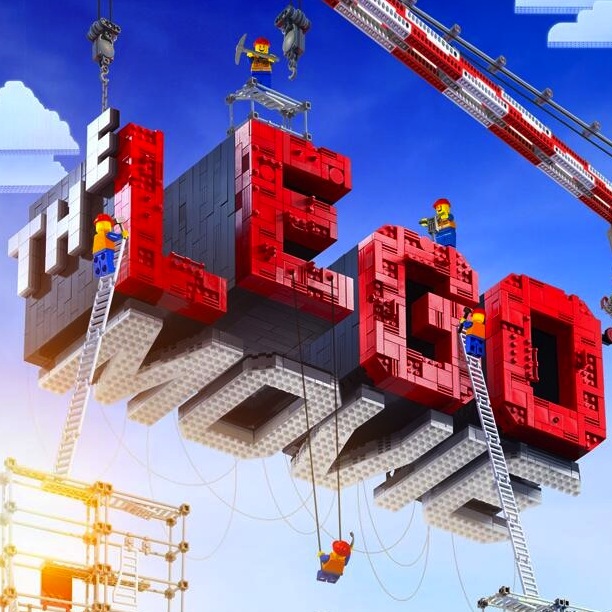
Today's News: first Lego Movie trailer assembled

Here's what I had to say about the new Lego Movie trailer at MovieScene:

http://www.moviescene.nl/p/148012/eerste_trailer_the_lego_movie


It's a bizarre project, really. It's based on a hugely popular, iconic line of toys, but at the same time it joins together various other franchises that under normal circumstances (i.e., non-plastic) would never have gotten together. There's Batman and Wonder Woman, there's Raphael from the Teenage Mutant Ninja Turtles, there's a historical Raphael, there's mermaids, astronauts and scores of other figures that are solely Lego's invention. You wonder how they pulled this one off in terms of copyright. Successfully it seems, though I wouldn't be surprised if this particular aspect of the film might bite them in the bottom down the road, especially if the movie becomes a smash hit (which is always the right time to start legal battles). After all, this film features so many DC comics characters (but no Marvel, even though Lego makes figures of that company's franchises too!) it might as well render the upcoming Justice League movie useless.


Will it be a success? I think it sure will, in terms of box-office at least. You got toys every kid in the world plays with (or should!) on an almost daily basis, in fact toys kids have been playing with for decades, so it's more easy for the kids to convince their parents to come along. Of course you can argue it's more fun to play with Lego than to watch someone else do it, but the same goes for football and there's a bigger number of people watching that than there is playing it. It's all in the brand name, and Lego is a big brand, well known and commonly appreciated. Much more so than Hasbro's Transformers and G.I. Joe action figures, which are more limited in terms of the demographics they appeal to, yet look at how well their films - unjustifiably - did. I wonder if Lego got the rights to its own movie... it would be odd to see Hasbro making its Lego ripoff KRE-O doing Lego Movie merchandise!

But does the trailer look good? I'm (moderately) pleasantly surprised by it. Yes, the story is derivative to the extreme, almost done to death in fact. Regular guy gets thrown in an epic quest to save the world along with a group of heroic characters that teach him the values in himself. Yawn. But this is done with Lego figures. In stop motion. And even in 3D. Waaaah... Okay, some of the shots in the trailer look a little crude, but hey, that's what Lego is. And it seems the jokes make up for it. In fact, I laughed a few times, which happens less and less in trailers I watch. It's clear the directors of the zany but wonderful animated flick Cloudy with a Chance of Meatballs had a hand in building this world (pun intended of course; duh!). Their affinity and talent for odd situations and goofy gags, both visual and in dialogue, appealing to young and old alike, seems omnipresent. Hopefully the trailer for once is an accurate synopsis of the content of the actual film (though I would also like it if it is better than the trailer suggests). We'll have to wait until next year to find out, but hey, for nerds like me there's still various upcoming Lego Lord of the Rings, Hobbit and Star Wars sets to look forward to until then. Lego couldn't resist reminding my wallet of that fact. Shrewd maneuvring, Lego... at least the parents will know what to expect financially if they take their kids to see this film.